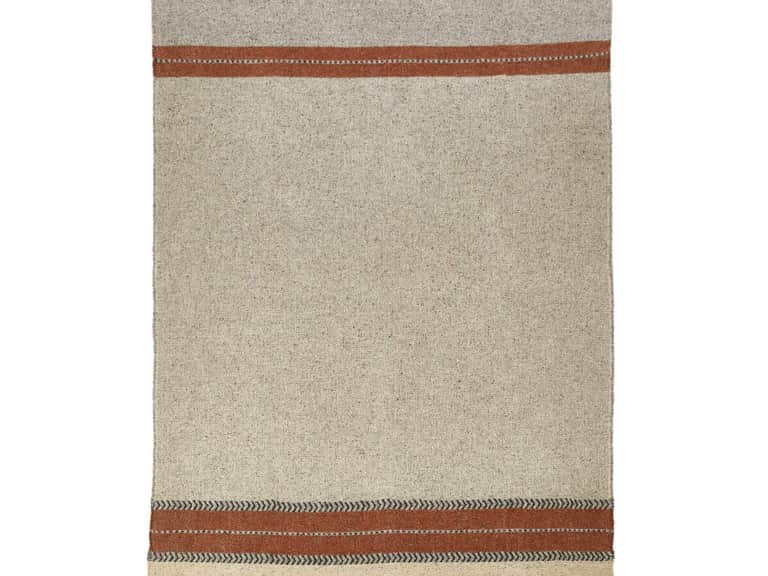
Ted Throw
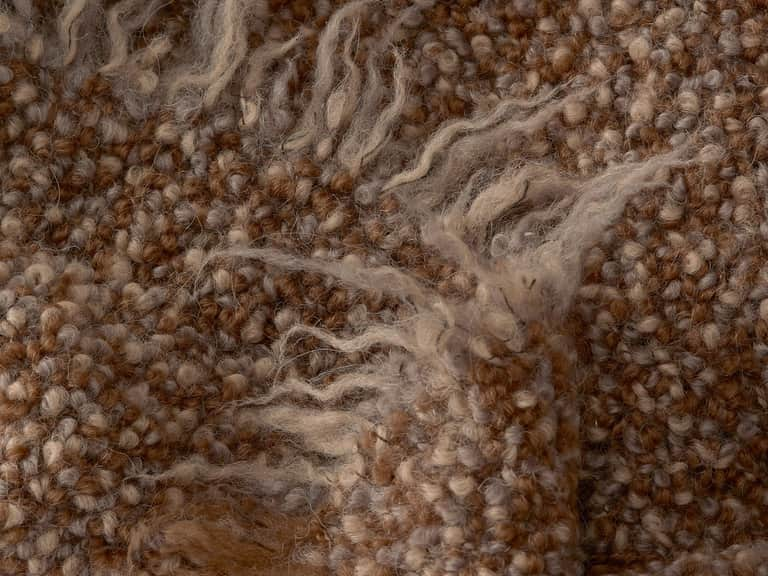
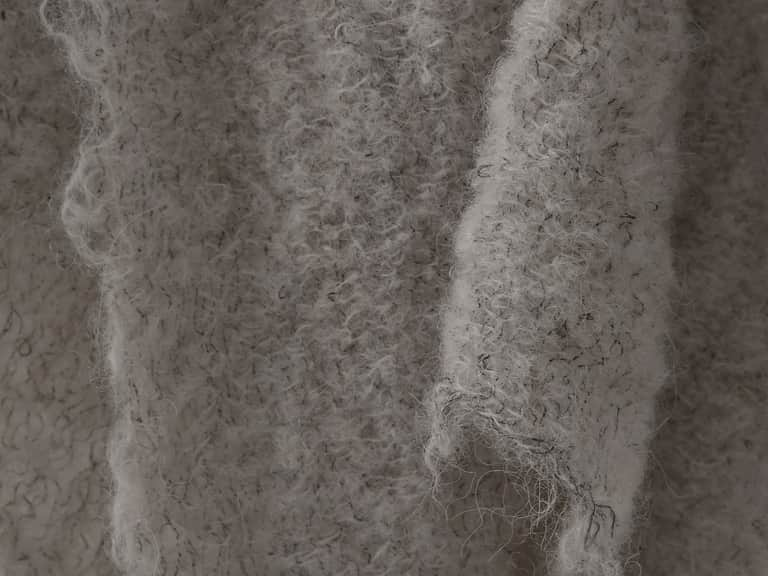
Wrap yourself in ultra-light Alpaca softness—gentle, cozy warmth for bed or sofa. Garment-dyed neutrals and seasonal tones stay true wash after wash, with a delicate, breathable feel and effortless style.
Explore linen’s deep roots in human civilization, tracing its journey from ancient flax fields to modern craft and museum displays. This overview weaves origin stories, trade routes, and daily applications into a narrative that reveals how a simple fabric shaped economies, identities, and rituals across continents.
Linen is more than a textile; it is a record of humanity’s relationship with the land and with craft. Long before synthetic fibers and mass production, societies in the Mediterranean, Near East, and later Northern Europe cultivated flax, spun linen thread, and wove it into the fabric of daily life. Linen’s journey begins in the fields where flax plants yield slender fibers that, when combed and spun, become the threads that become garments, household linens, and ceremonial textiles.
The earliest archaeological traces of linen stretch into the Bronze and Iron Ages, where artifacts reveal linen’s presence in ceremonial robes, burial wrappings, and everyday tunics. Across cultures, linen’s appeal rested on a unique combination: a cool hand in hot climates, a strong drape for garments, and a natural resistance to pests that made it practical for long voyages and durable household textiles. Linen’s adaptability helped it travel from village looms to international trade, carrying with it a trace of its maker’s technique and local aesthetic.
The diffusion of linen is a testament to human networks. In antiquity, the Mediterranean basin served as a crossroads where flax cultivation met the demands of a growing textile market. The island of Crete, the shores of the Aegean, and the broader Levant offered fabrics and weaving traditions that inspired importers in southern Europe and beyond. The Silk Road era and maritime routes later connected linen-producing regions with distant markets, ensuring linen’s role in fashion, religious ceremonial dress, and domestic life traveled far beyond its birthplace.
From the Low Countries to the Baltic lands, linen’s fate was also tied to climate, soil, and local craft schools. Northern Europe developed robust linen industries, combining flax farming with mechanical innovations in spinning and weaving that enhanced weave uniformity and tensile strength. In warmer Mediterranean zones, linen benefited from its cool, breathable properties, which made it a recurrent choice for summer garments and household textiles. Across these regions, finishes—garment-dyed hues, washed textures, and delicate fringe details—carried distinct cultural signatures that helped linen tell local stories even as its core fibers remained shared across civilizations.
Linen appears in artful expressions as well as utilitarian forms. In classical sculpture and Egyptian tomb reliefs, linen robes signal status and ritual significance. In European painting of the Renaissance and Baroque periods, linen curtains and table textiles frequently appear as stage-set pieces that frame daily life or elevate ceremonial spaces. In global artifacts, linen’s pale, matte luster often served as a neutral canvas for pigment, embroidery, and ornamentation, enabling other materials to shine while preserving emphasis on the wearer or the object itself.
Daily life provides another window into linen’s social texture. Linen undergarments offered comfort in hot climates; linen tablecloths and napkins signaled hospitality and order during gatherings; and linen fabrics for sails, canvas, and trade goods reflected linen’s role in exploration and commerce. Across these uses, linen’s durability and adaptability made it a shared language of households and artisans alike, even when styles changed with fashion and technology.
Linen’s story is not merely in fiber and thread; it lives in the hands of people who shaped its course. Here are three figures who illuminate linen’s cultural arc across centuries and continents.
Hesiod’s agrarian poems and ancient Egyptian records hint at the flax plant’s sacred and practical roles, while archaeobotanical evidence in wetter climates demonstrates early linen production techniques. The ancient flax master in this arc is a composite representation of anonymous artisans who nurtured flaxfields and shared the knowledge of retting, scutching, and spinning that allowed linen to spread through households and temples.
Across medieval Europe, linen production became codified in guilds and regional schools of weaving. In places like Flanders and the Low Countries, artisans advanced loom technology, improved thread yields, and developed finishes that elevated linen into a textile of both utility and prestige. The guilds’ regulations and innovations helped linen become a staple of urban life and long-distance commerce.
In the 19th and 20th centuries, textile historians and museum curators began to treat linen not only as fabric but as cultural artifact. Figures who catalogued flax cultivation, weaving techniques, and linen’s regional dialects contributed to a global understanding of linen’s social and artistic significance, bridging craft practice with scholarly inquiry.
These figures illustrate a continuum: anonymous artisans who kept ancient techniques alive, medieval innovators who refined practice through guilds, and modern custodians who translate linen’s material history into accessible knowledge. Together, they reveal linen as a cultural companion across time, adapting to new social contexts while preserving a core sense of craft and care.
Today, linen’s cultural resonance endures in museums, craft studios, and design curricula. The study of linen history informs textile education, helping students and designers understand how regional preferences, trade routes, and technological shifts shape material culture. For curators, linen remains a storytelling medium—an artifact with a story to tell about social structures, economic exchange, and daily life across civilizations.
Educational content can illuminate linen’s taxonomy: different linen varieties, weave patterns, finishing techniques, and care practices. By combining historical context with practical demonstrations—like simple weaving exercises, linen care insights, or archaeological case studies—learners gain a fuller appreciation of linen’s significance and relevance in contemporary design and craft education.
Modern linen collections, whether in high-end homes or museum vaults, balance authenticity with innovation. Contemporary designers reimagine linen through sustainable farming, ethical production, and transparent supply chains. The material’s natural dye absorption, breathable hand, and distinctive patina over time continue to attract both designers and scholars who seek textiles with a story to tell.
Culturally, linen remains a flexible symbol: a marker of regional identity in linen traditions from the Baltic states to the Aegean, a canvas for embroidery and pattern that reflects local aesthetics, and a testament to a shared human impulse toward comfort, durability, and beauty in everyday life.
For readers who wish to explore linen beyond this overview, a curated set of resources includes museum catalogs, textile history journals, and digital archives that illuminate linen’s pathways across time and space.
Linen is more than a fabric; it is a living language that encodes history, geography, and culture. Its origins in flax cultivation, its diffusion through trade networks, and its enduring presence in homes and museums alike reveal linen’s capacity to adapt while preserving its essential character. As we continue to explore linen’s past, we also write its future—through education, curatorial practice, and thoughtful design that honors craft while embracing innovation.
Note: This article is part of LinenThrow’s broader editorial exploration of linen’s cultural significance and historical development. For deeper dives, subscribe to our weekly briefing and access extended bibliographies and primary sources.